Face Lift in Manchester
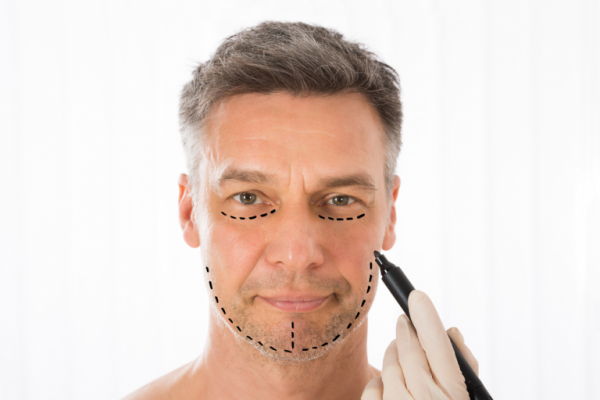
A surgical face lift is an operation to lift the loose skin on your face, making it appear tighter and more youthful. There are many different options for facelift available, and each can be tailored to fit your needs and desires. Many people choose to undergo face lift surgery if they feel unhappy with signs of facial ageing, such as wrinkles and sagginess.
Sometimes, people who have quite a significant face weight loss journey also experience these effects. Many people struggle with these changes and seek out surgery to correct this. If you’re looking for a face lift in Manchester, UK Aesthetic can provide all the insight you need for the procedure.

UK Aesthetic Face Lift in Manchester
- Experience – We have a team of highly experienced ABS, MD, MBChB & FRCS (Plast) qualified surgeons with a combined experience of over 40 years.
- Fully registered and regulated – All of our surgeons are members of the British Association of Aesthetic Plastic Surgeons (BAAPS), British Association of Plastic, Reconstructive and Aesthetic Surgeons (BAPRAS) and are FRCS (plast) registered surgeons in Manchester.
- State of the art facilities – Based at The Alexandra Hospital in Manchester, our practice uses cutting-edge medical technology and equipment, all backed by multi-million-pound investments.
- Outstanding level of patient care: All surgeons go above and beyond for our patients, being awarded the iWantGreatCare certificate of excellence for several consecutive years.
- Personalised experience – Your goals and safety are our top priorities. We are dedicated to supporting your unique journey with outstanding, personalised care at every stage of the procedure.
Types of Face Lifts
Deep Plane Facelift
Widely considered the go-to surgery for facial rejuvenation, a deep plane facelift repositions deeper tissue layers and muscles beneath the SMAS. This naturally smooths deep folds, jowls and nasolabial folds to give you a more youthful appearance.
MAS Face Lift
This procedure aims to elevate and tighten the SMAS layer of the face, addressing moderate to severe lower-face sagging. It’s ideal for patients with significant facial drooping in the lower and middle regions of the face, including the jaw and neck.
Mini Face Lift
Often called a weekend facelift, this procedure requires smaller incisions and targets mild to moderate lower face and jawline sagging. It has a shorter recovery time, but less longevity than standard face lifts.
Mid Face Lift
This procedure targets the cheeks and lower eyelids to restore lost volume and reduce nasal folds. It’s typically performed under general anesthesia, as the surgeon makes small incisions inside the mouth, in the lower eyelid or within the hairline.
Endoscopic Facelift
An endoscopic facelift is a minimally invasive procedure that uses a tiny camera to lift and reposition the deeper tissues of the face. It’s ideal for patients in their 40s and 50s, as the procedure targets mild-to-moderate midface sagging.
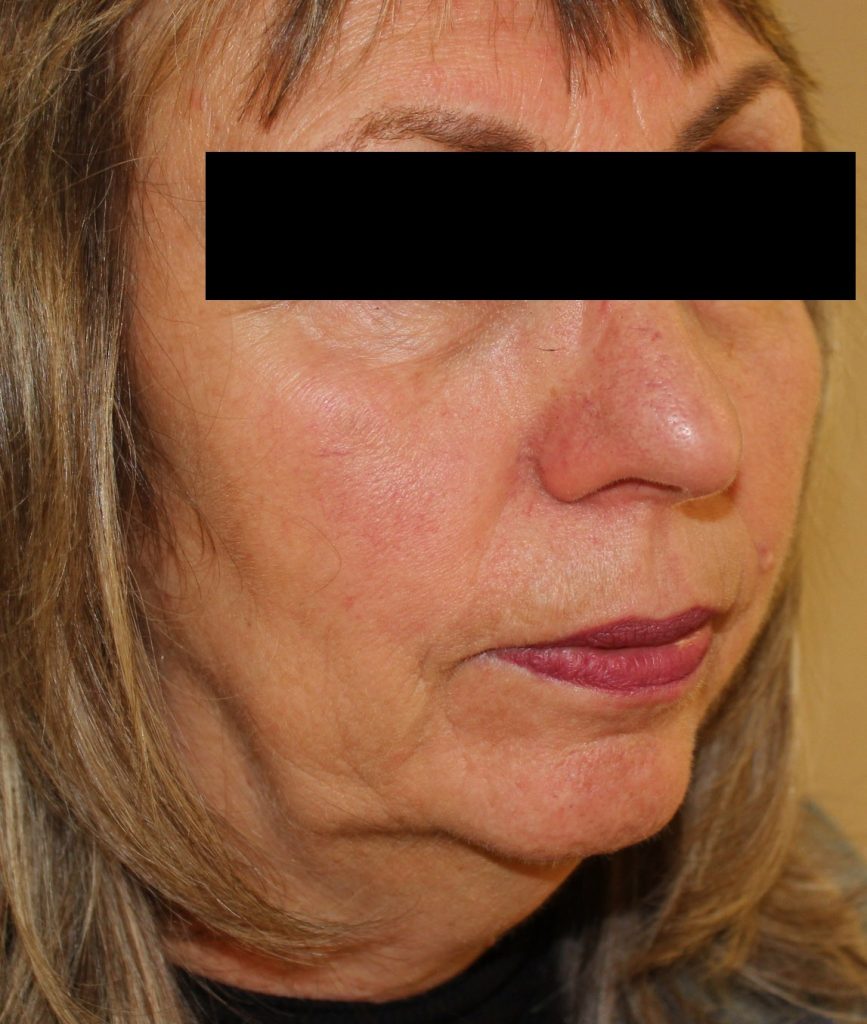
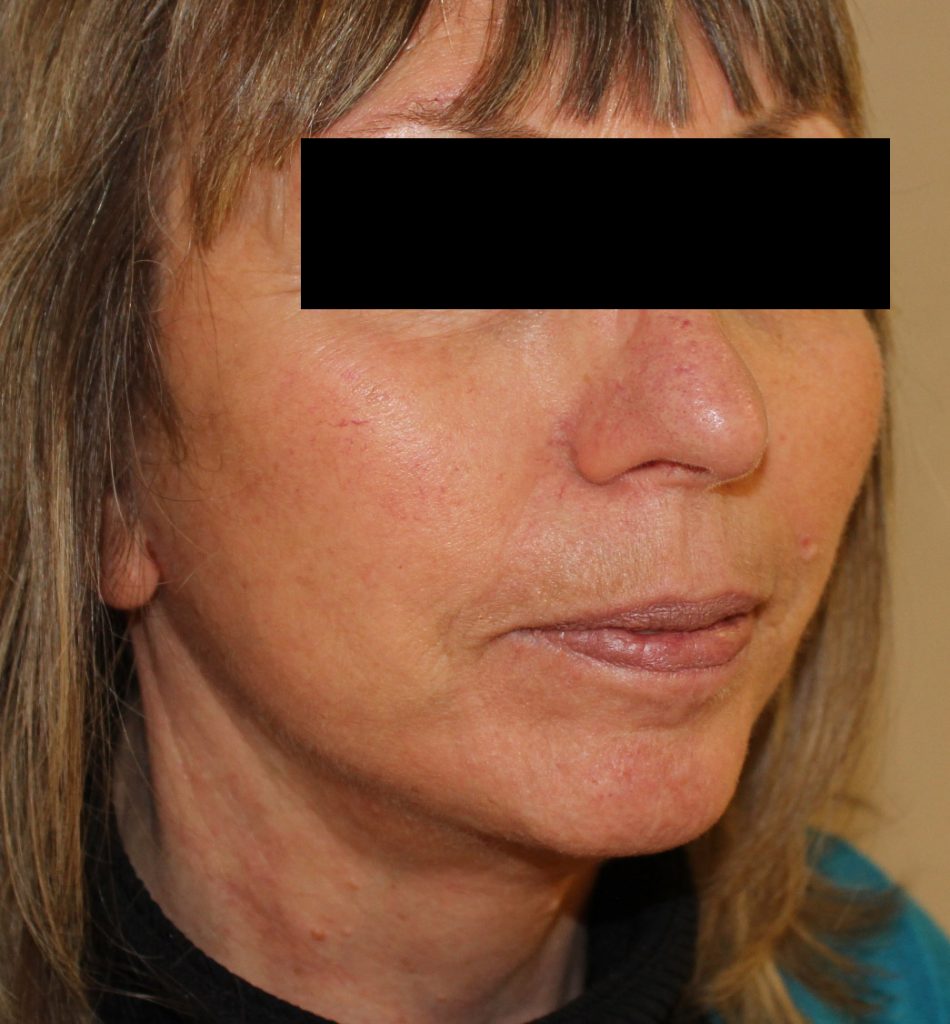
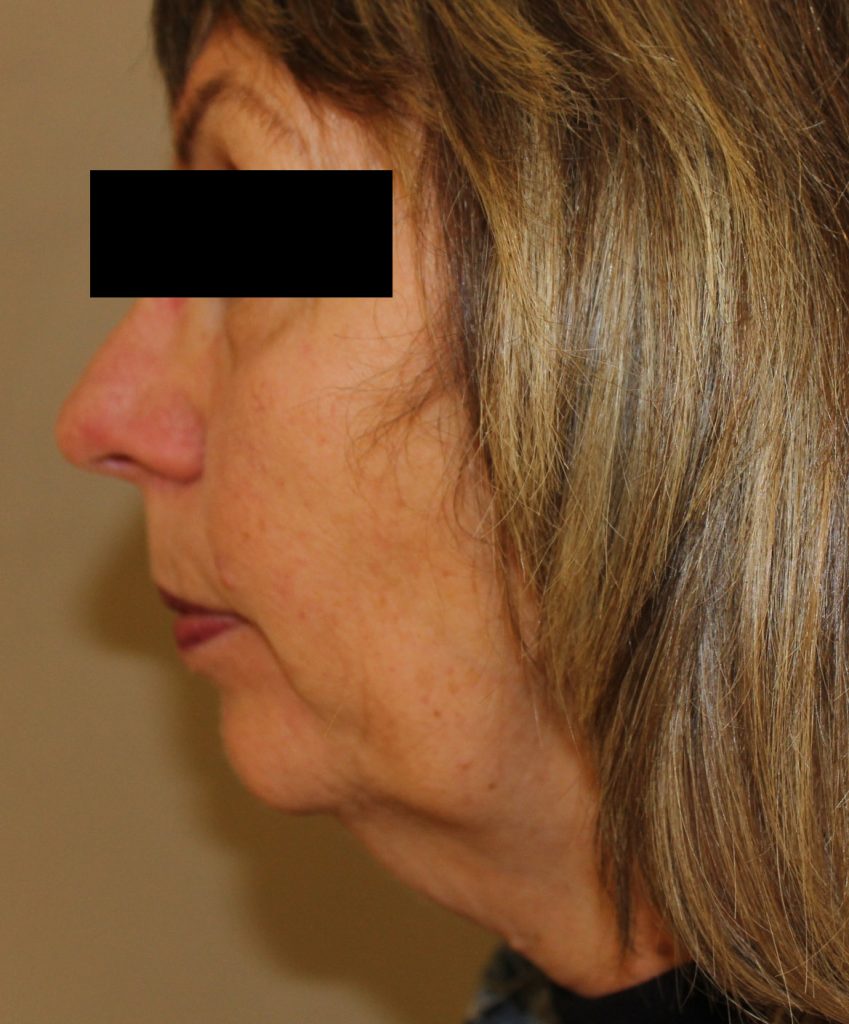
Case Studies
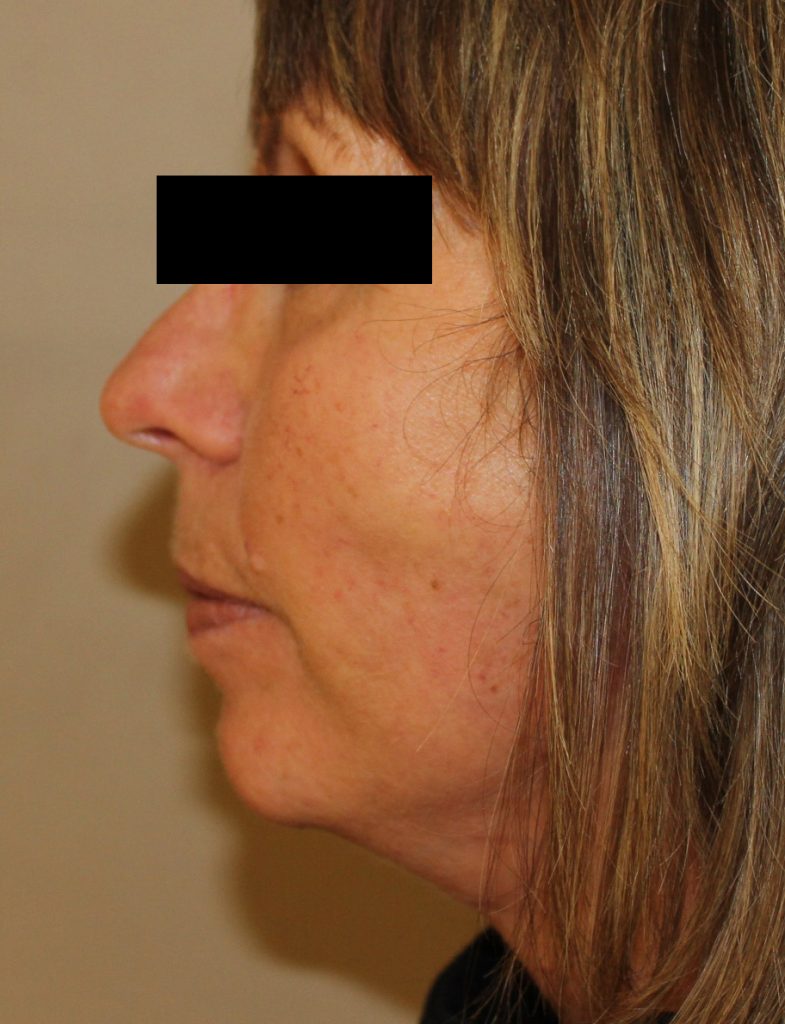
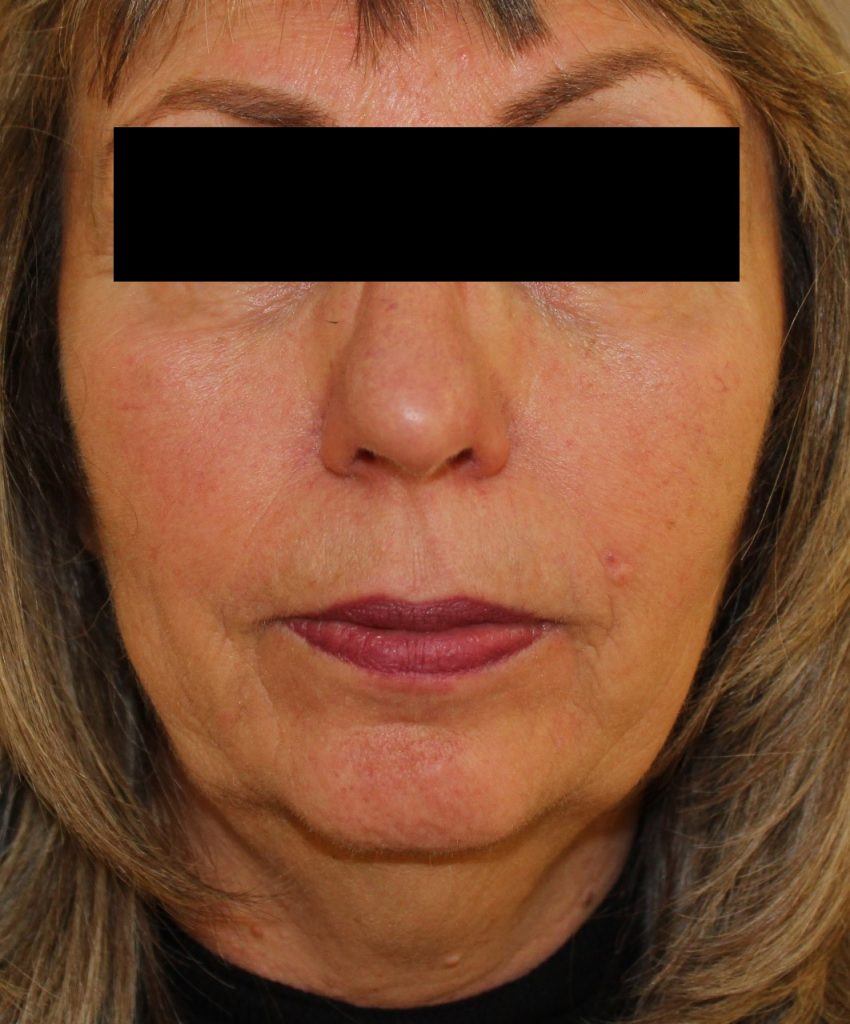
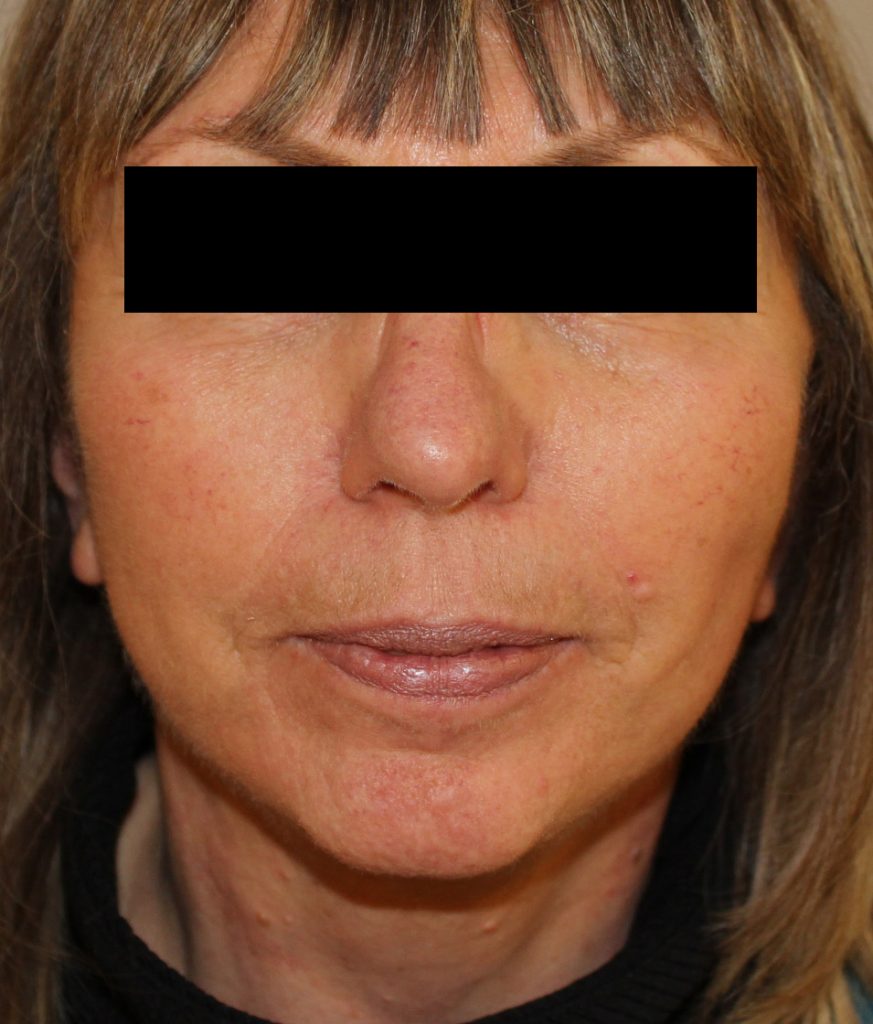
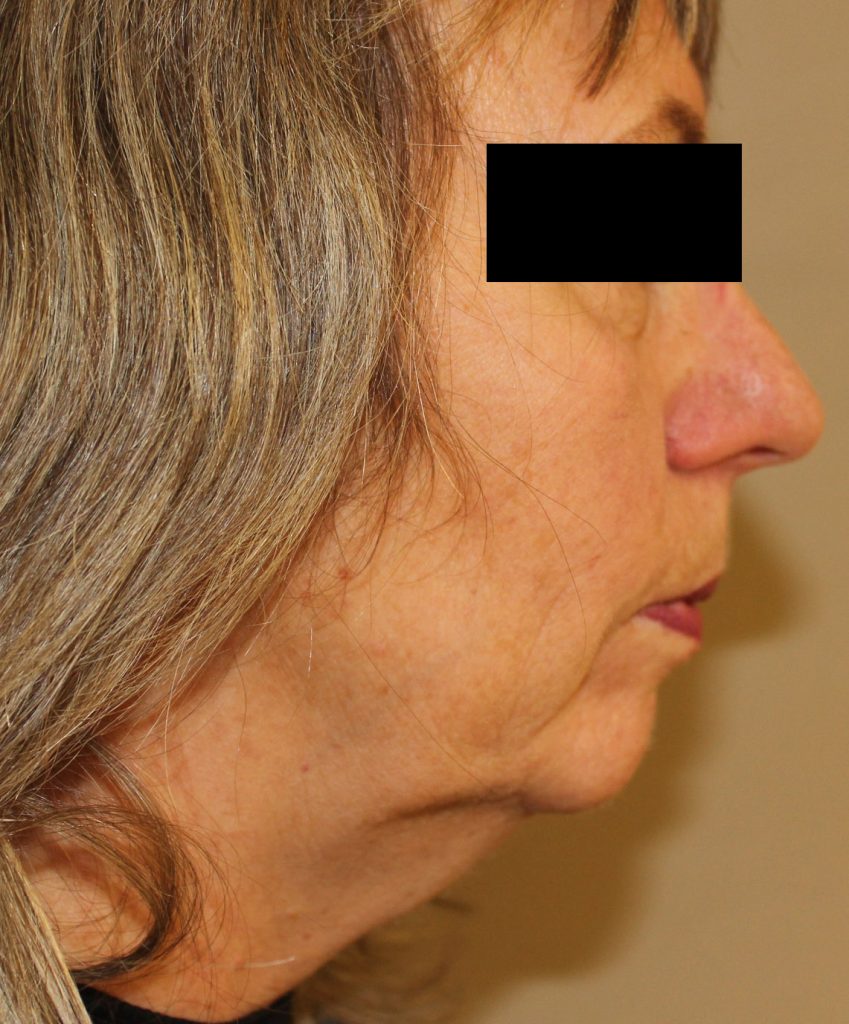
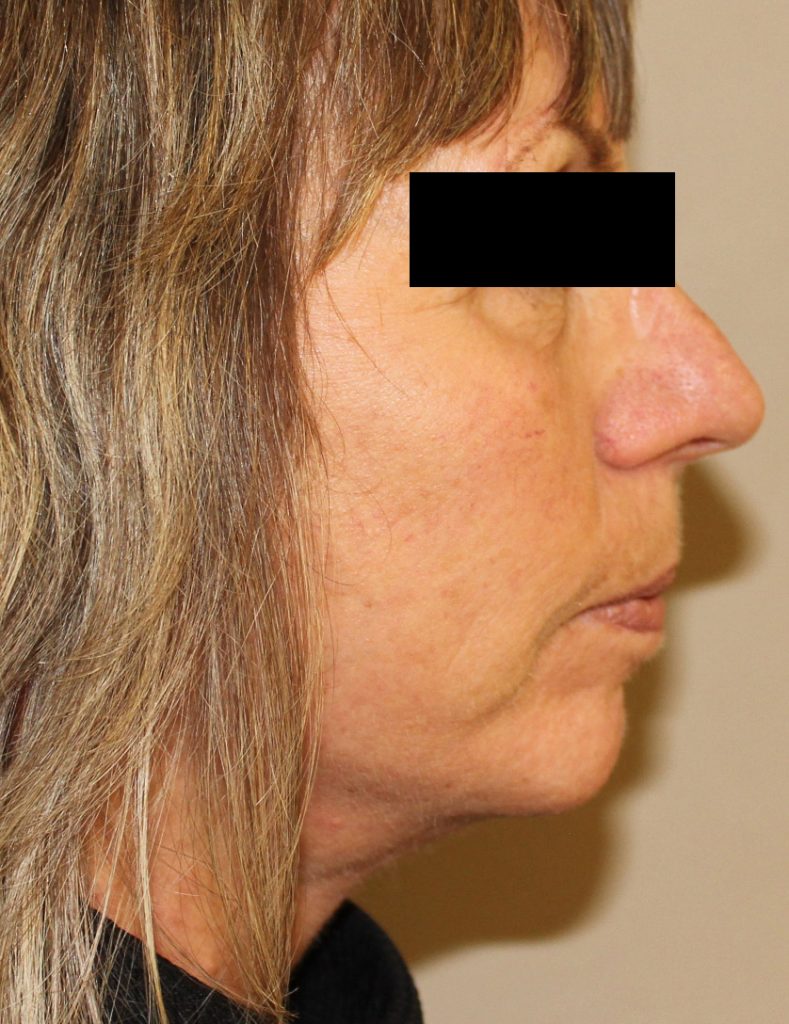
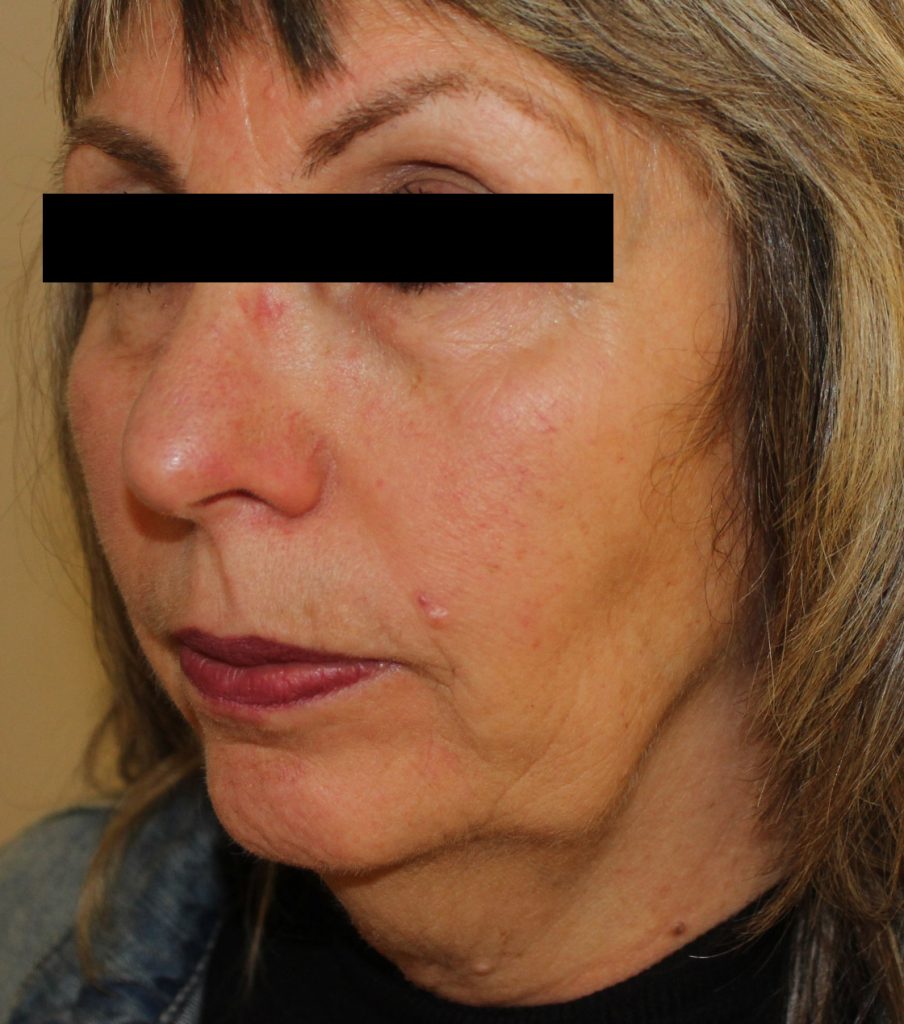
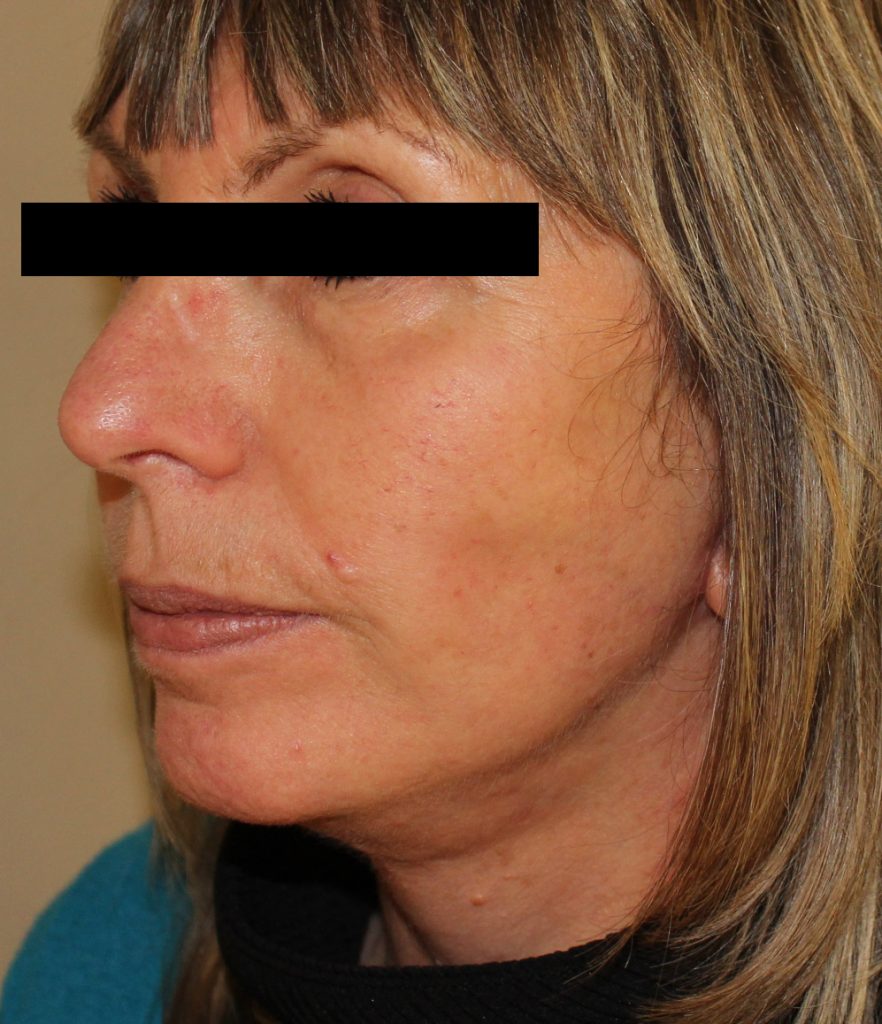
Face Lift Consultation at UK Aesthetic
Booking an initial consultation with one of our experienced surgeons is crucial, as this can help you decide on whether the surgery is right for you. They will walk you through the process and all the options available. If you have any concerns or queries, our team will be happy to answer them and provide you with peace of mind when it comes to undergoing the procedure.
Our experienced team of highly-qualified surgeons consists of award-winning specialists, always taking the time to understand your individual goals. They will provide you with expert guidance on what to expect during your procedure, so you can give yourself a more confident future.
Face Lift Surgery Aftercare
Here at our Manchester clinic, we take recovery and aftercare following all of our plastic surgery procedures very seriously. After face lift surgery, you will need to take it easy and ensure your face is not harmed. Following the procedure, your face will be wrapped in bandages, which will help to reduce swelling and bruising. Our recommendations during the recovery process includes:
- Avoid any strenuous physical activity, as incisions are more likely to rip and become loose.
- Avoid driving for the first few days, as after the general anaesthetic, you may not be able to drive due to the effects.
- Keep the wound and bandages dry. If your incisions get wet, you could develop an infection or become unwell.
- Ensure your head is upright at all times, so your incisions heal properly.
During your recovery, it’s also important to try and avoid touching your face and hair as to not disturb any incisions.