Rhinoplasty in Manchester
Nose reconstruction can be undergone to treat those who were born with a nose deformity, or simply those who are unhappy with the appearance of their nose. They are usually performed for aesthetic reasons, but can also be very beneficial for patients who have difficulty breathing.
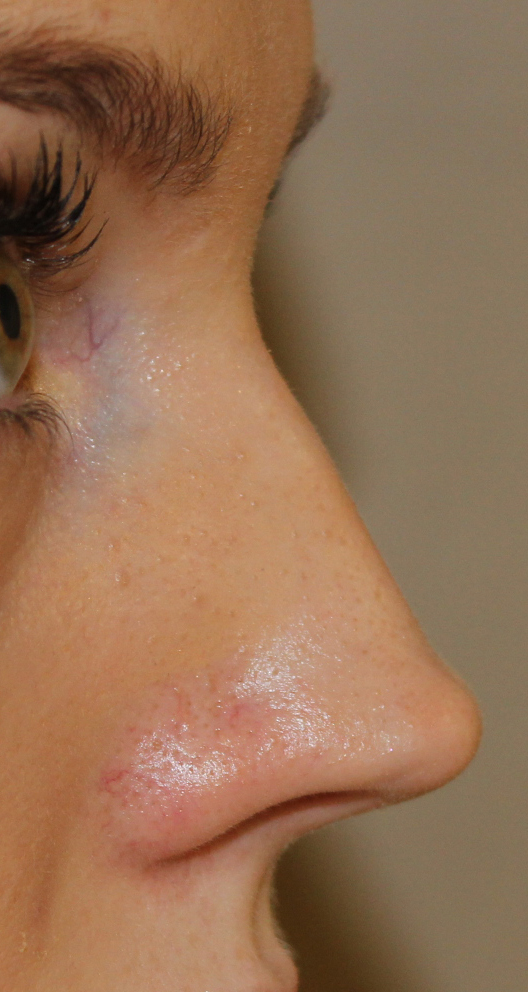
Many patients will get a rhinoplasty in Manchester if they have a large bump, uneven shape or a saddle nose deformity. The name ‘saddle nose’ describes the shape of the nose whereby there is a large dip and bulbous tip. This can often be the case from birth, but may also be the result of an injury. A plastic surgery rhinoplasty aims to give patients the nose shape of their dreams, making them feel more comfortable and confident.

UK Aesthetic Rhinoplasty in Manchester
– Experience – We have a team of highly experienced ABS, MD, MBChB & FRCS (Plast) qualified surgeons with a combined experience of over 40 years.
– Fully registered and regulated – All of our surgeons are members of the British Association of Aesthetic Plastic Surgeons (BAAPS), British Association of Plastic, Reconstructive and Aesthetic Surgeons (BAPRAS) and are FRCS (plast) registered surgeons in Manchester.
– State of the art facilities – Based at The Alexandra Hospital in Manchester, our practice uses cutting-edge medical technology and equipment, all backed by multi-million-pound investments.
– Outstanding level of patient care: All surgeons go above and beyond for our patients, being awarded the iWantGreatCare certificate of excellence for several consecutive years.
– Personalised experience – We prioritise our patient’s safety and personal goals, providing compassionate care throughout every step of your surgical journey.
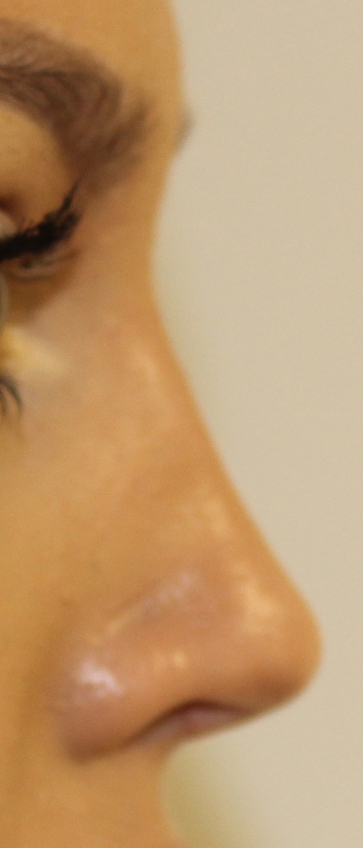
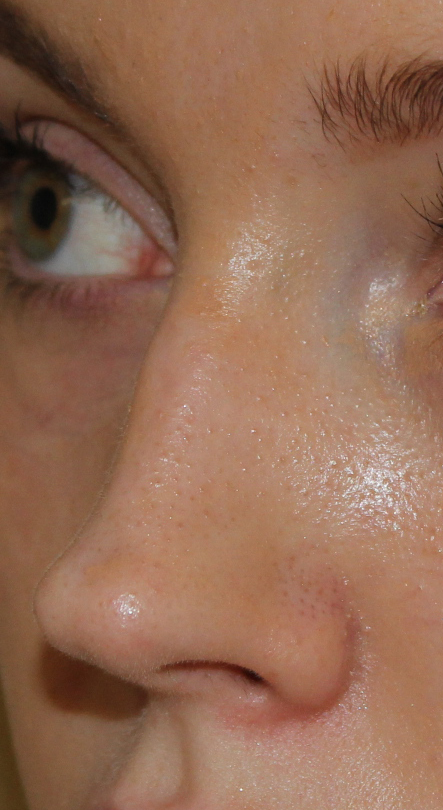
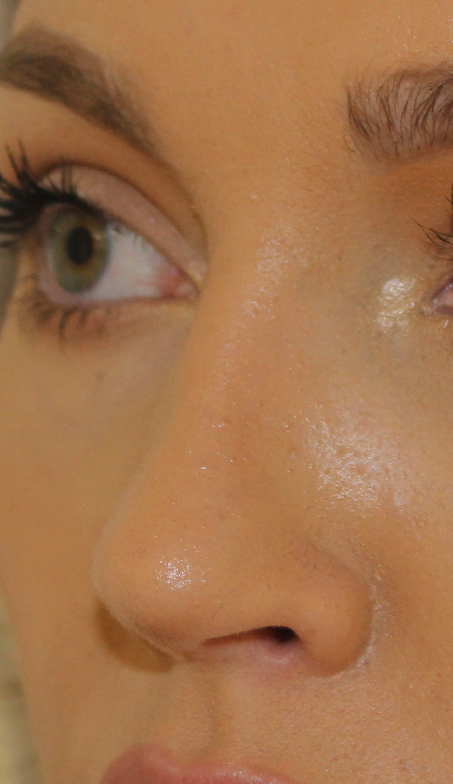
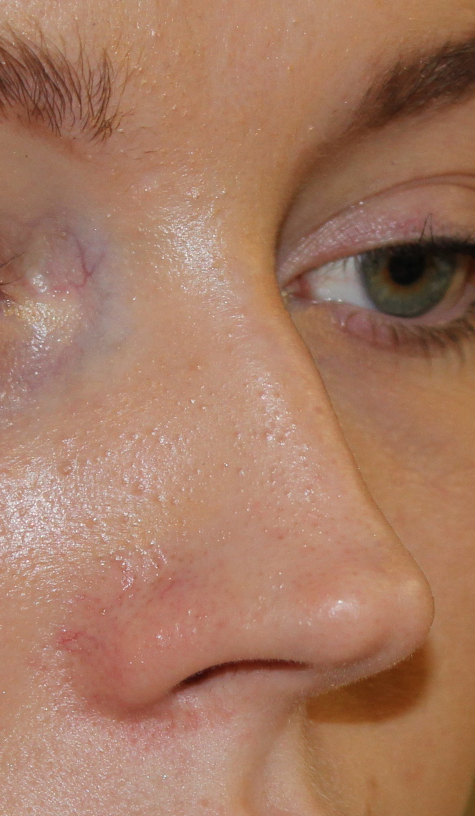
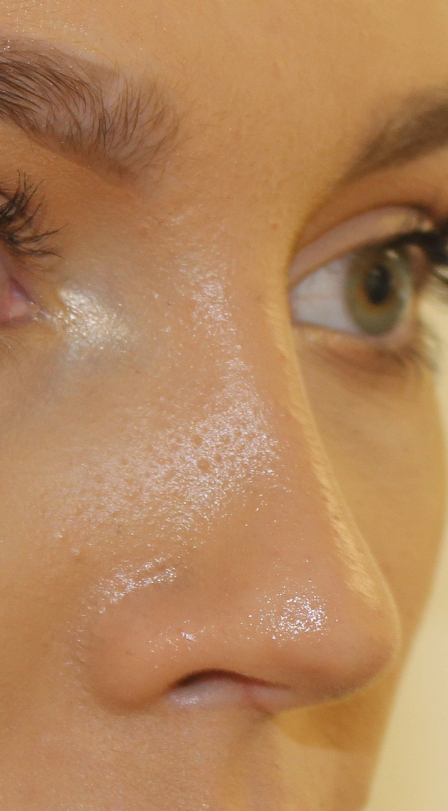
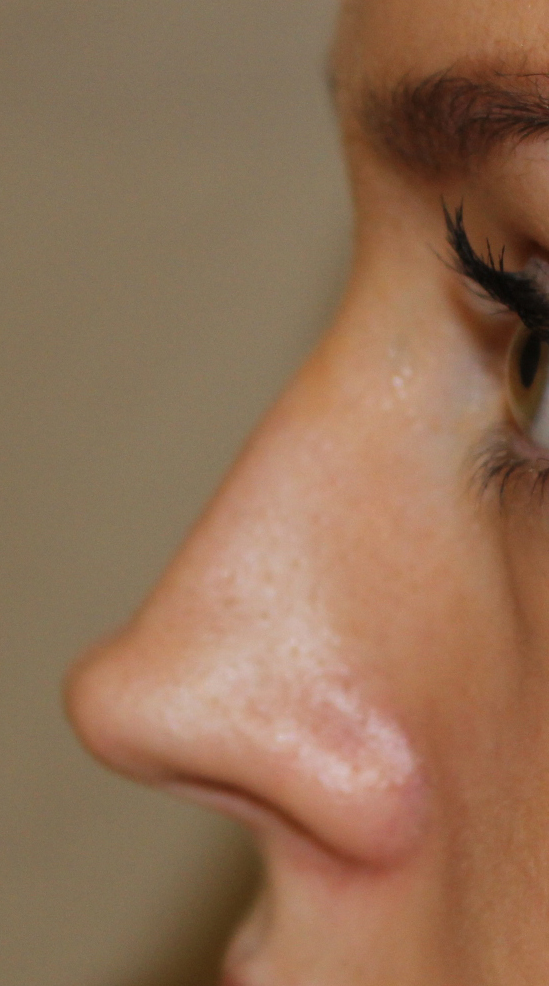
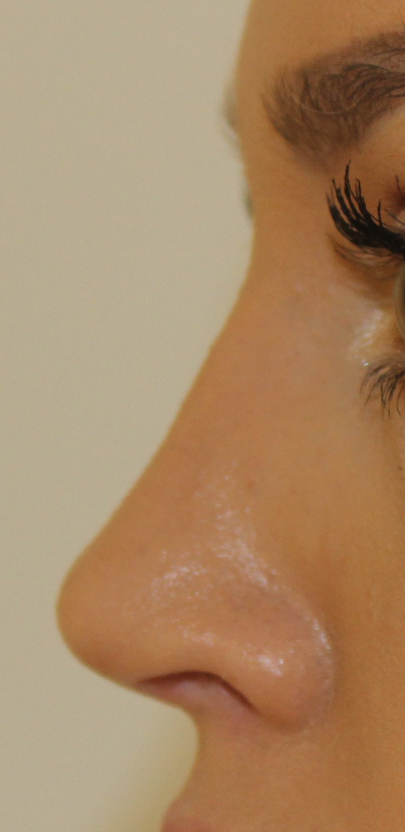
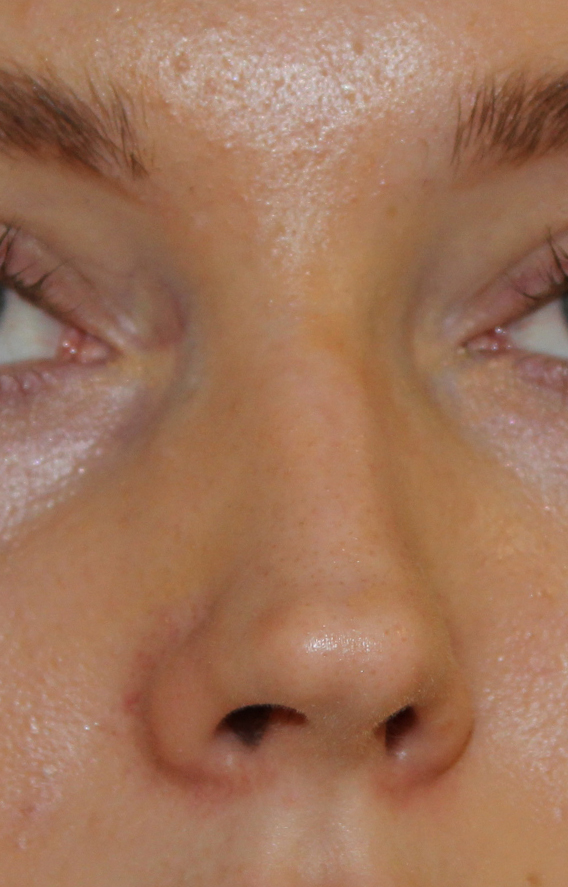
Case Studies
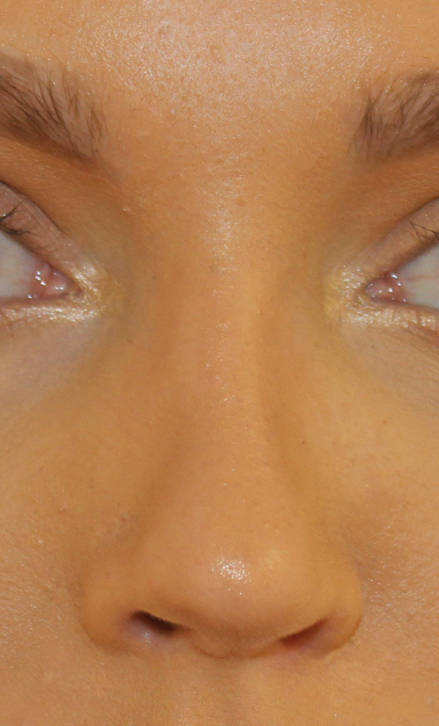
Different Types of Nose Jobs
The type of nose job you get will depend on your goals. You can have a septorhinoplasty to straighten a deviated septum, a tip-plasty for correcting a bulbous or rhinoplasty reduction for a smaller nose. There are several surgical approaches that you can choose, depending on the type of procedure you want.
Open Rhinoplasty
The surgeon makes a small incision across the columella (the tissue between your nostrils). This lifts the skin, giving the surgeon full visibility of the nasal structure and is typically used for more complex changes or nose reconstruction.
Closed Rhinoplasty
All incisions are hidden completely inside the nostrils. This technique is used for minor refinements and leaves no visible external scarring, although it offers the surgeon less visibility.
Preservation Rhinoplasty
This is an innovative technique that works from inside the nose to re-shape the underlying cartilage and bone while preserving the natural, smooth bridge of the nose to achieve a natural result.
Rhinoplasty Consultation
At UK Aesthetic, we always prioritise open and honest communication during our consultations, so we can best determine whether nose reconstruction is right for you. Our highly experienced surgeons have over 40 years of experience. They are ABS, MD, MBChB & FRCS (Plast) qualified, giving them the knowledge and expertise to complete even the most complex of surgeries.
Our team consists of three well-renowned cosmetic surgeons, including Mr Ross, Miss Holt and Mr Khan, who all have over 20 years of experience in nose jobs. During the consultation, you should expect an in-depth discussion about your expectations for the nose job in Manchester, as well as discussing your medical history to see if you’d qualify for the procedure. It’s also your opportunity to ask any questions during the rhinoplasty consultation, helping you to gain a better understanding of the process.
Plastic Surgery Rhinoplasty Aftercare
Here at our Manchester clinic, we take patient recovery and aftercare very seriously. After nose reconstruction surgery, it’s important that you get adequate rest to help you recover. Following the procedure, your face and nose will be wrapped in bandages, which will help to reduce swelling and bruising. Our recommendations during the recovery process includes:
- Avoid strenuous physical activity, as this can place unnecessary strain on your healing incisions.
- Refrain from driving for the first few days while you recover from the general anaesthetic.
- Keep your wound and bandages dry at all times to prevent infection.
- Maintain an upright head position to ensure your incisions heal correctly.
During your recovery, it’s also important to try and avoid touching your face to not disturb any incisions. This can prolong the healing process and prevent you from returning to regular activity when expected.